Beyond the Crowd: What Tourism Brings to Iowa
By Iowa Travel Industry Partners
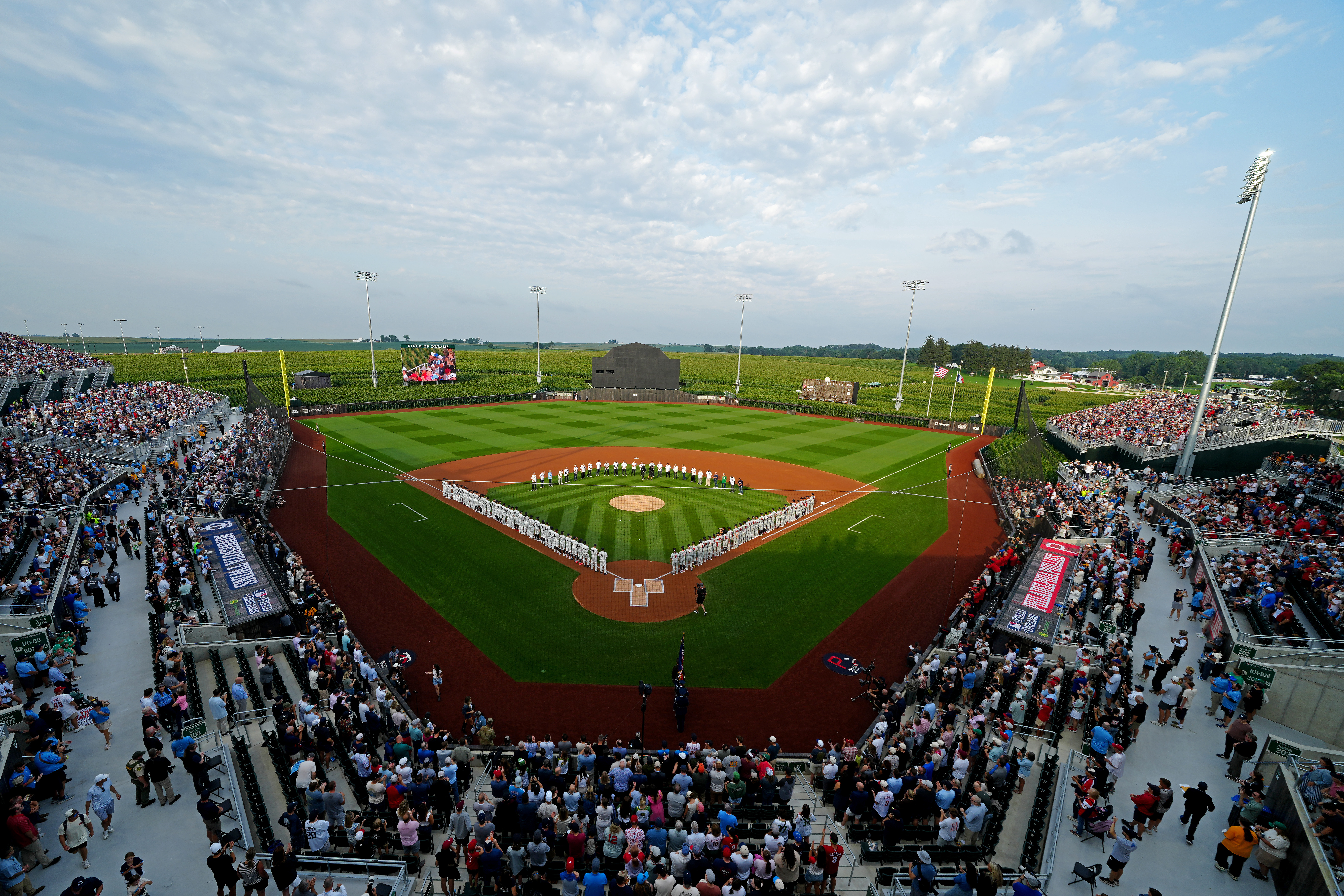
This summer, millions of people across the country had a reason to see Iowa. Some watched MLB at the Field of Dreams on Netflix or NASCAR at the Iowa Speedway. Others traveled here for nationally recognized events, from the AAU Junior Olympic Games and Knoxville Nationals to RAGBRAI and the Iowa State Fair. Each created an opportunity to introduce someone to more of Iowa.
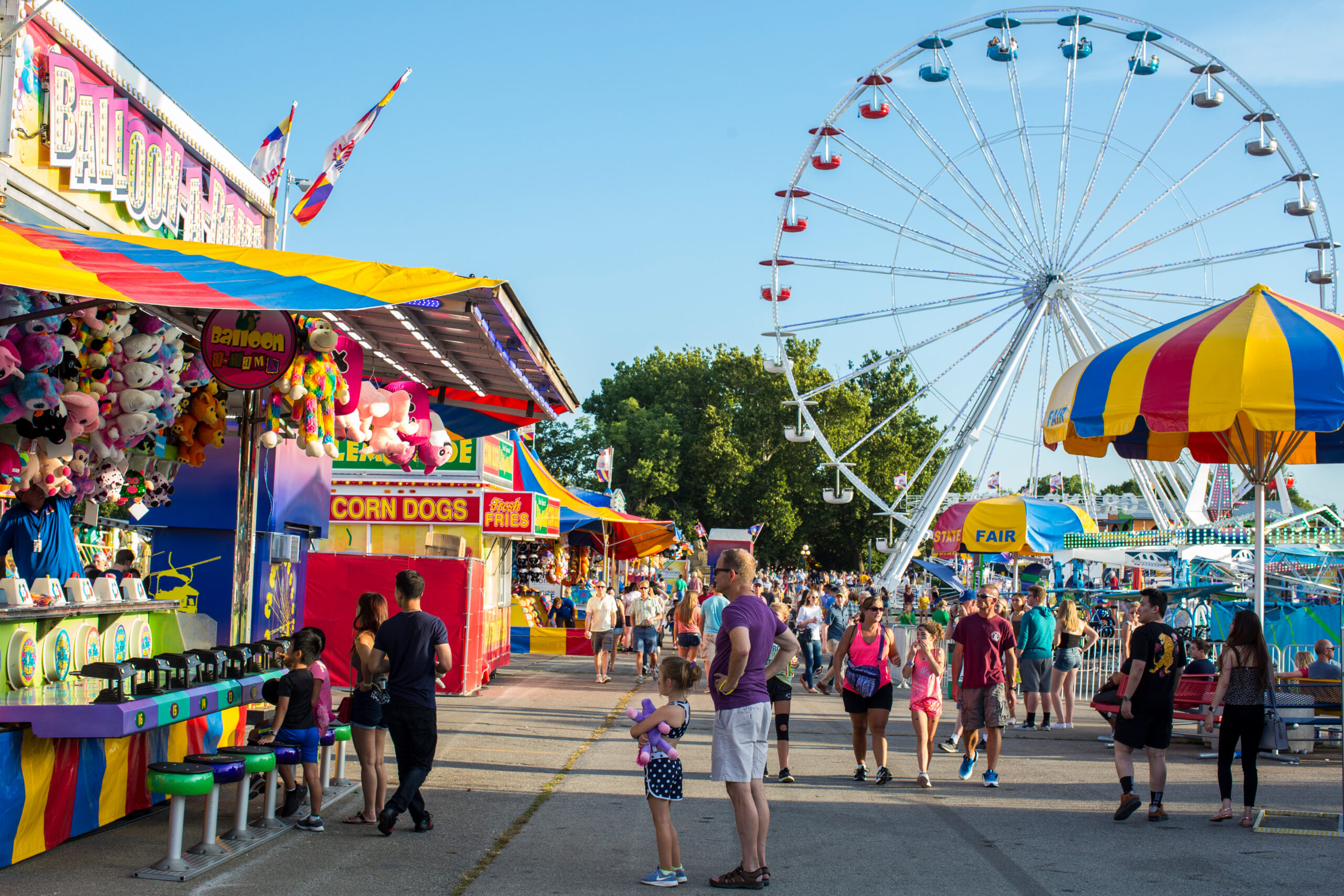
The scale can be impressive. Nearly 15,500 athletes and coaches traveled to the Des Moines metro for the AAU Junior Olympic Games. The Iowa State Fair welcomed a record 1.2 million fairgoers. RAGBRAI drew more than 20,000 participants each day, representing all 50 states and 10 countries. But knowing how many people showed up only tells us part of the story.
After this year’s Knoxville Nationals, one visitor on social media described traveling nearly 1,000 miles to attend the races. The trip included 11 nights in a local hotel, a rental car, meals, souvenirs and entertainment. Before heading home, the visitor added two days at the Iowa State Fair. What began as a trip for one event became nearly two weeks spent experiencing Iowa.
That’s what tourism professionals are working to accomplish. Bringing someone to Iowa is important, but so is what happens once they arrive. Destinations connect visitors with local businesses and attractions, share ideas for what to do between events and work across community lines to help people discover more of Iowa. If something down the road makes their trip better, that’s worth sharing.
The experience visitors have can help determine whether an event comes back. The AAU Junior Olympic Games are already scheduled to return to the Des Moines metro in 2030. The attendance number tells us the size of the opportunity. The return tells us Iowa is a destination the organizers are willing to choose again.
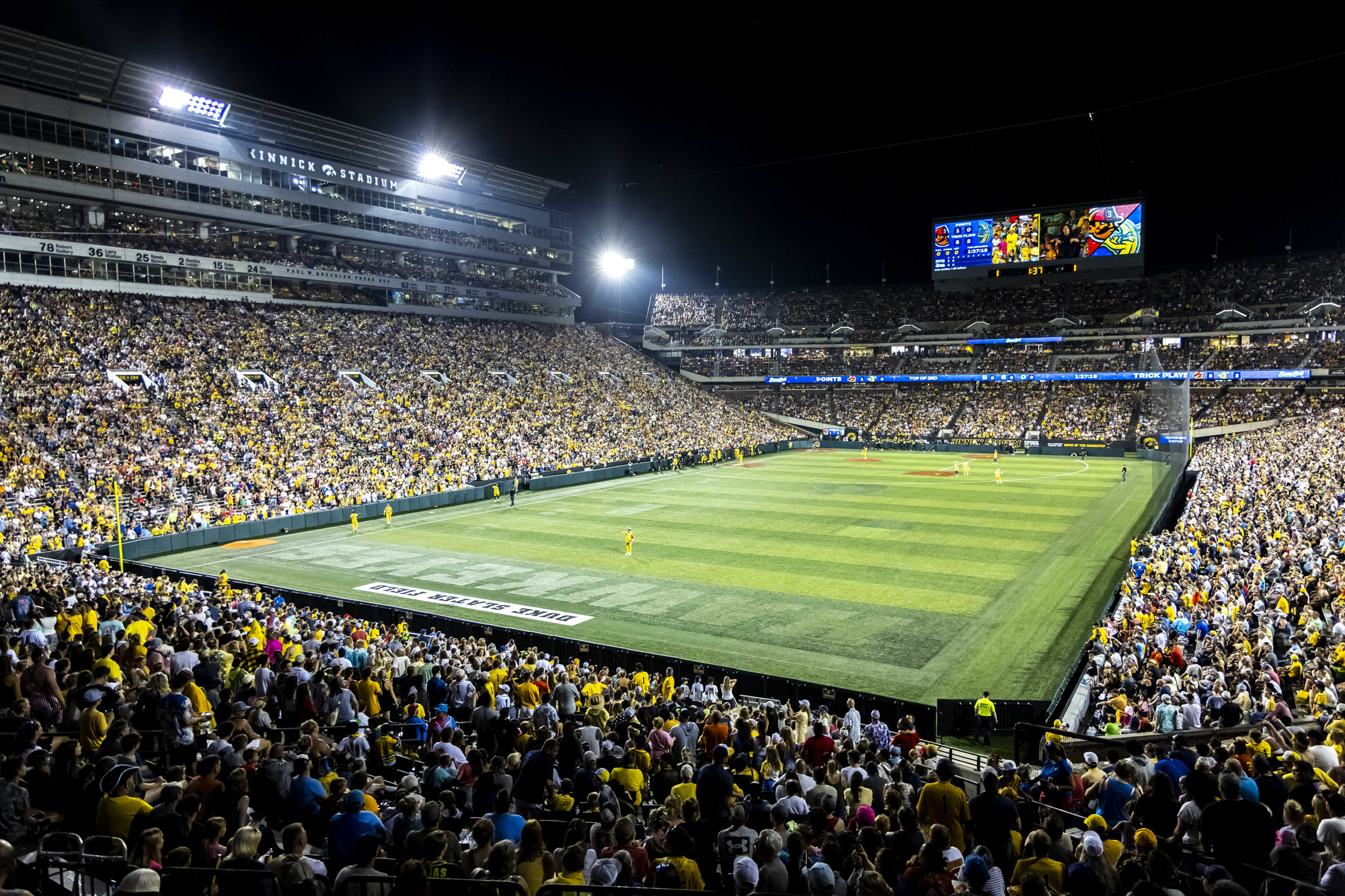
Iowa City saw another example over the Fourth of July weekend, when the Savannah Bananas sold out Kinnick Stadium on both July 3 and 4. Greater Iowa City reported 176,400 visitors to Kinnick Stadium over the weekend, with 88% coming from outside Johnson County and 17% from outside Iowa. They arrived during a holiday weekend already filled with events throughout the county and Think Iowa City estimated the weekend generated more than $40 million in economic activity.
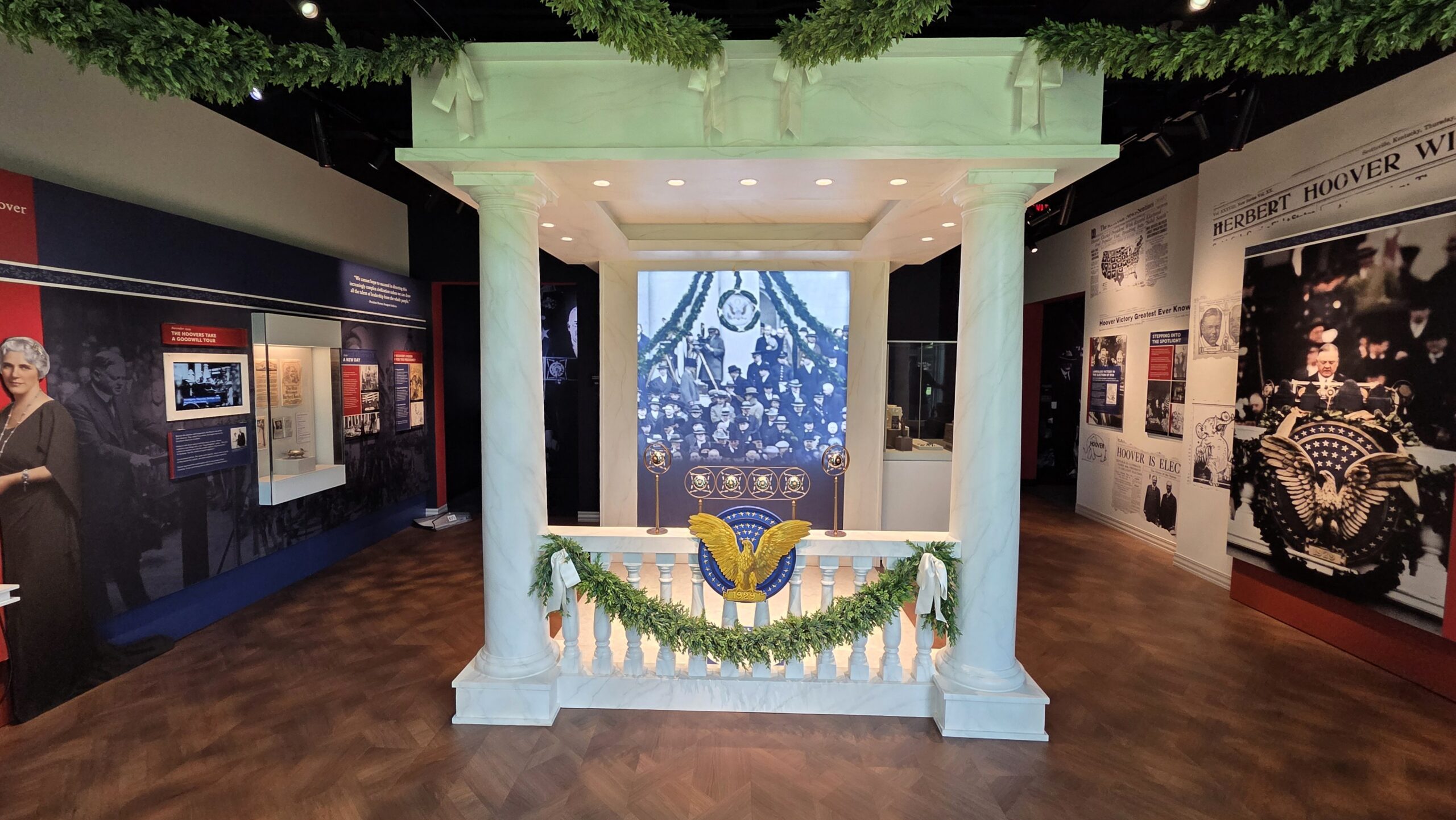
Events aren’t the only things putting Iowa on someone’s travel list. The Herbert Hoover Presidential Library and Museum reopened in West Branch on August 6 following its first major renovation since 1992. Iowa is home to one of only 16 presidential libraries in the National Archives system, and the reimagined museum is now the newest experience across that system. Unlike a weekend event, an attraction like this can give visitors a reason to choose Iowa for years to come.
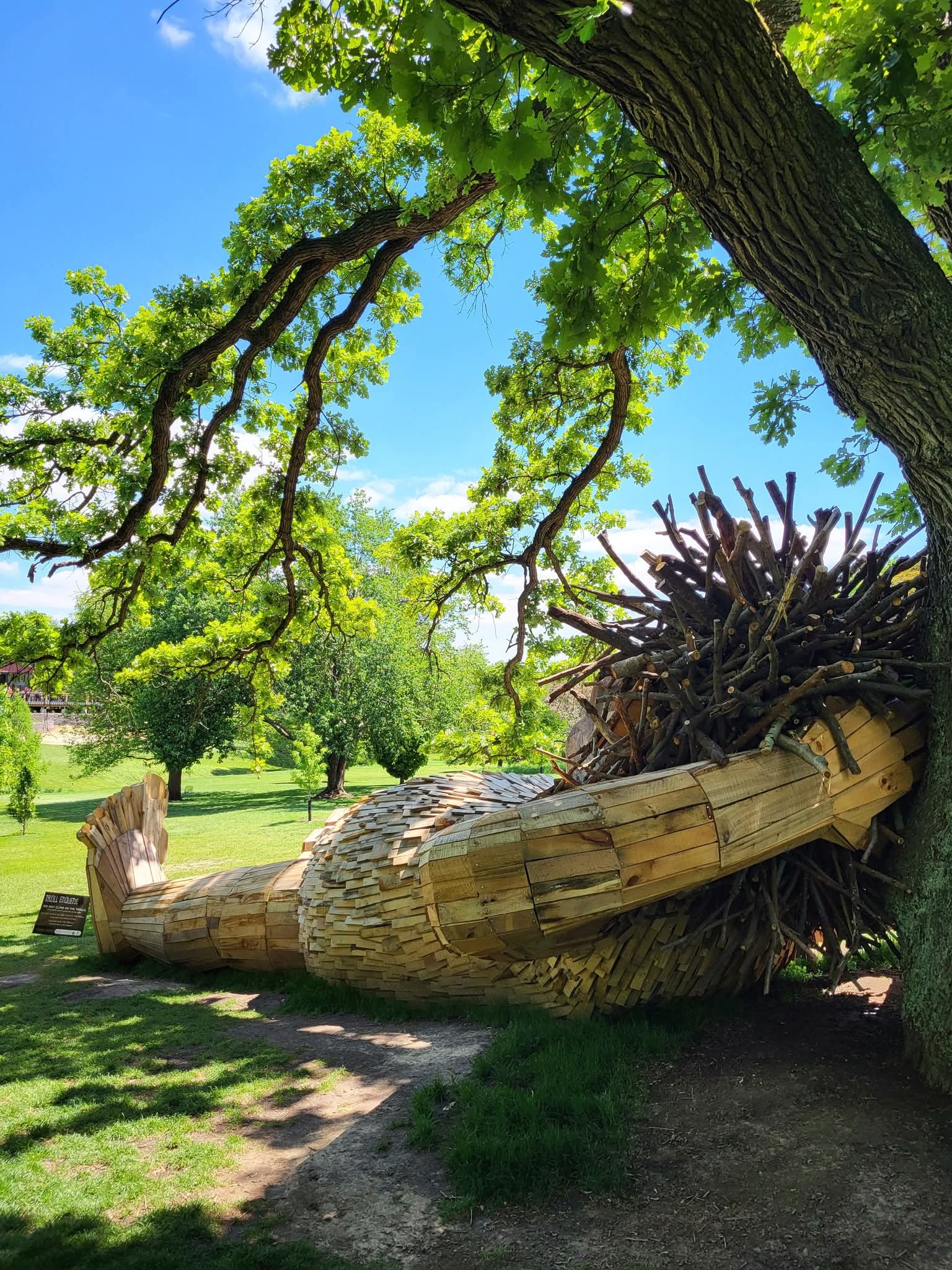
A very different attraction is already drawing people to Clinton. Grow Clinton estimates more than 100,000 visitors have experienced the three giant wooden trolls created by internationally known artist Thomas Dambo. Perhaps more telling, only about 3% of QR code scans at the trolls have come from Iowa. Presidential history and giant trolls could hardly be more different, but both demonstrate that there isn’t one kind of experience that convinces someone Iowa is worth the trip.
We can also see signs of those individual travel decisions accumulating statewide. From February through May, each month recorded the strongest statewide hotel occupancy for that respective month since comparable statewide tracking began in 2022. Urban hotel occupancy during those months was the strongest since 2019. Hotel occupancy can’t tell us why each person traveled, but it shows visitor demand extending across communities and beyond a single event or attraction.
Those overnight stays, meals and purchases are where tourism’s economic impact begins. A visitor’s hotel bill supports the people who work there. A meal at a local restaurant helps pay employees and suppliers. Those employees and businesses, in turn, spend money of their own. One visitor purchase reaches farther into a community than the original transaction.
Visitor spending also generates tax revenue. Hotel stays generate lodging taxes that are used for purposes established in Iowa law. When visitors eat at restaurants, shop or make other purchases, they also pay sales taxes that contribute to broader public revenues and the services those revenues support.
But more visitors alone don’t define a successful visitor economy. The numbers mean more when we understand what happened beyond the initial visit: how long people stayed, what else they experienced, how their spending reached local businesses and whether they found a reason to return.
Iowa had plenty of reasons to capture the country’s attention this summer. The greater measure of success is what we do with that attention once we have it.